Vacuum Loader About
A Vacuum Loader is a pneumatic conveying system used to automatically transfer powders, granules, pellets, and other bulk materials from one place to another through vacuum suction. It is widely used in industries for dust-free, efficient, and hygienic material handling. Vacuum loaders reduce manual handling, improve productivity, and maintain a clean working environment.
Key Features
- Automatic material conveying system
- Dust-free and hygienic operation
- Compact and easy-to-install design
- Low maintenance and energy-efficient
- Stainless steel construction available
- Suitable for continuous or batch operation
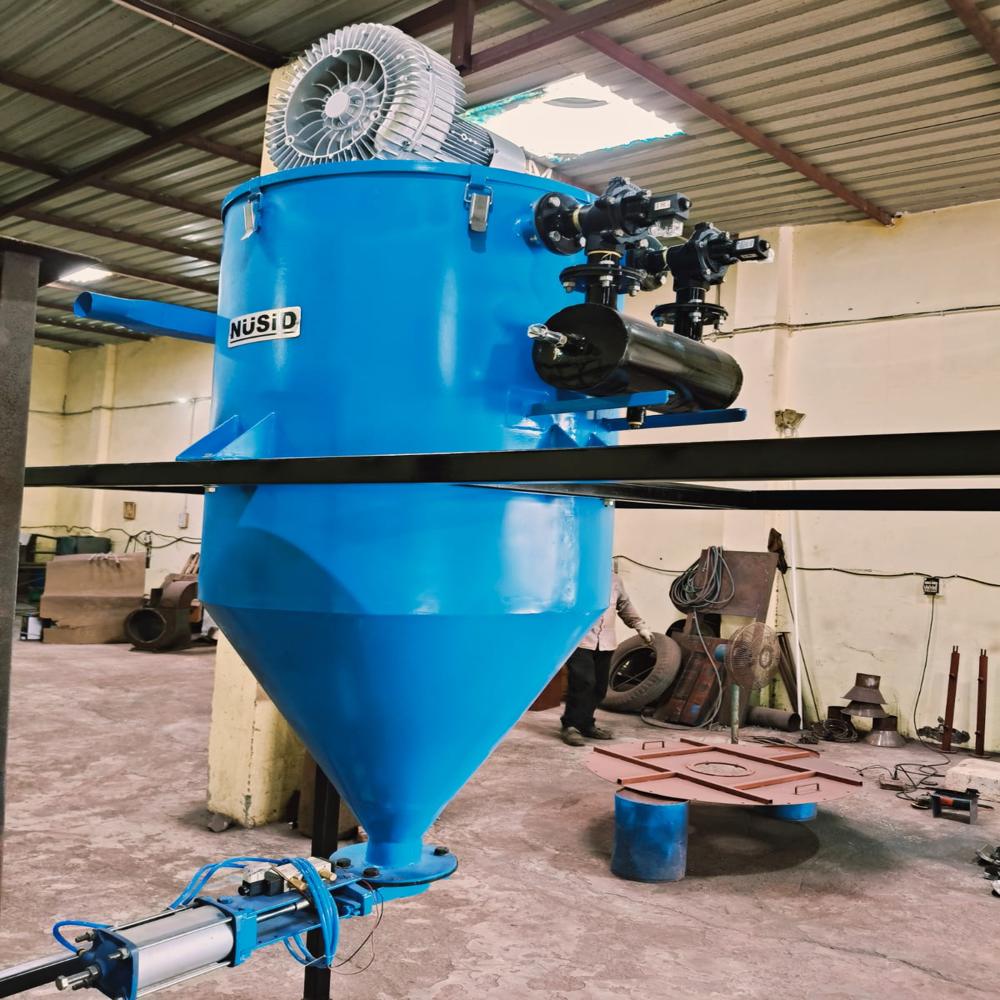
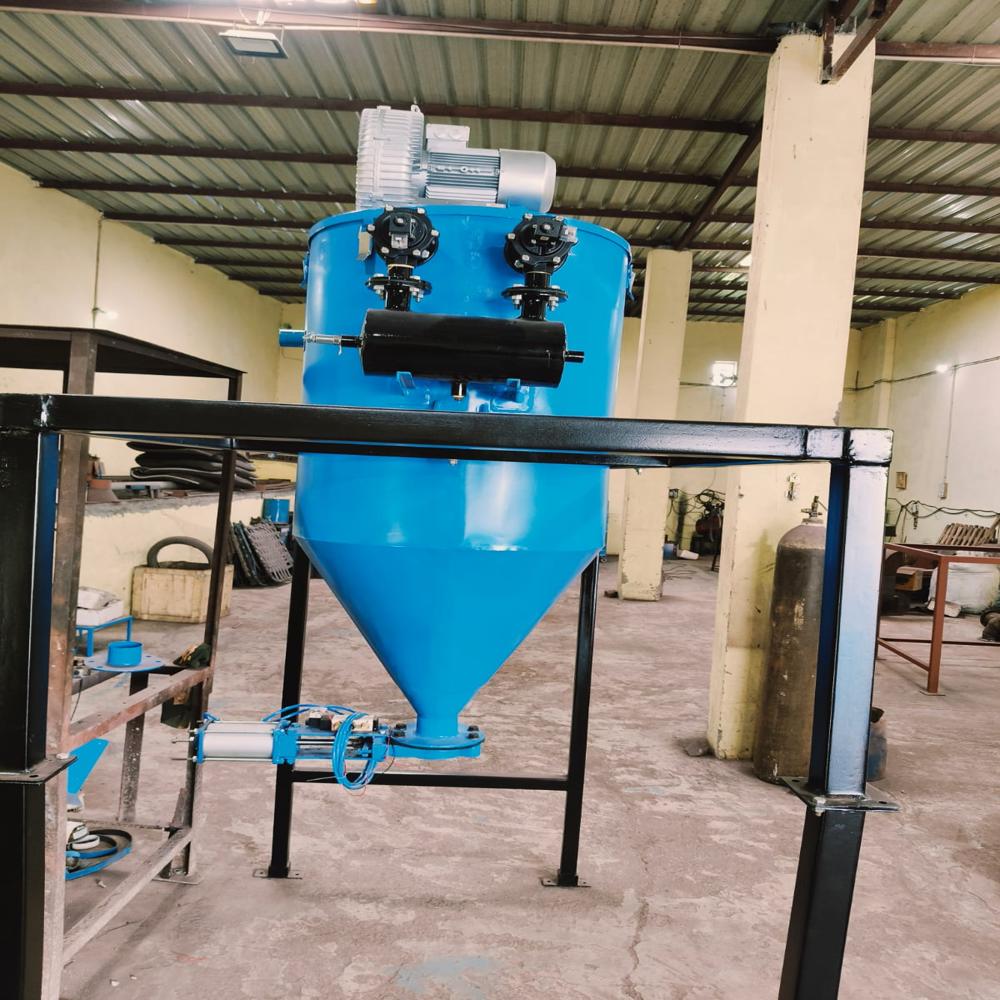
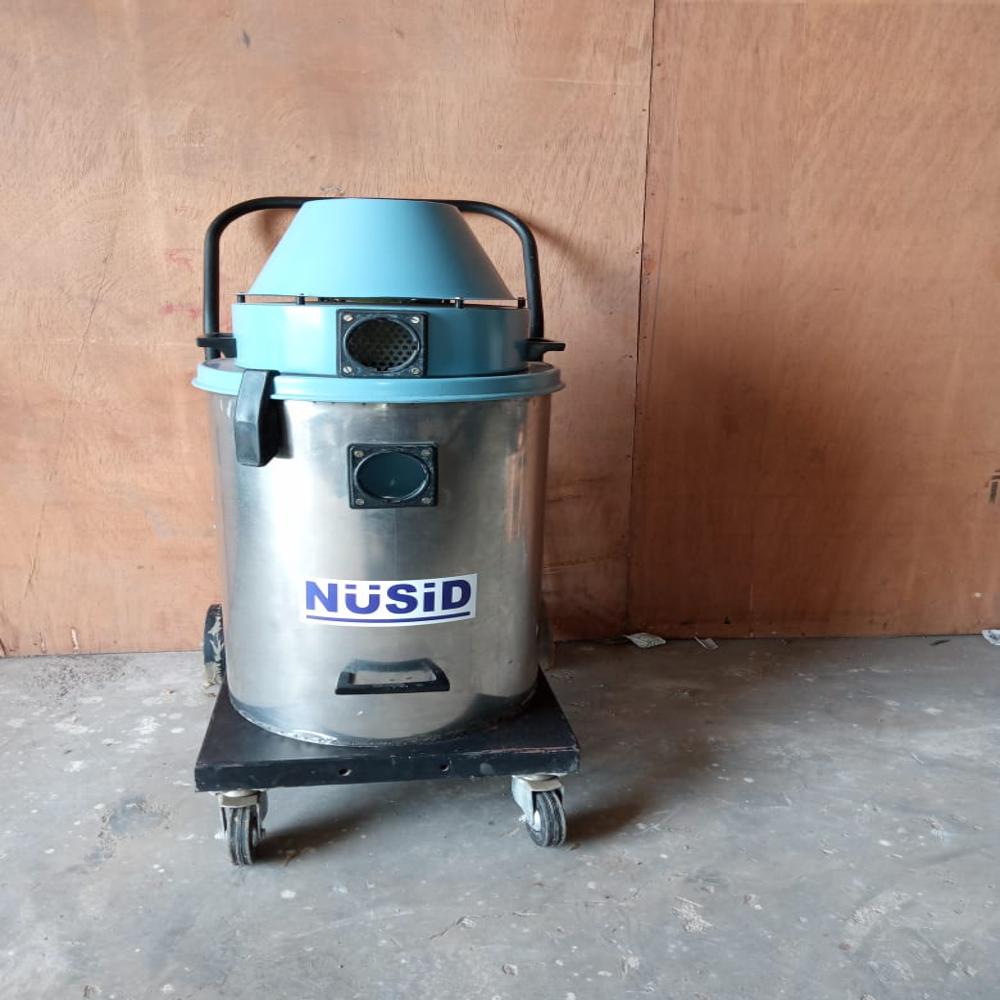
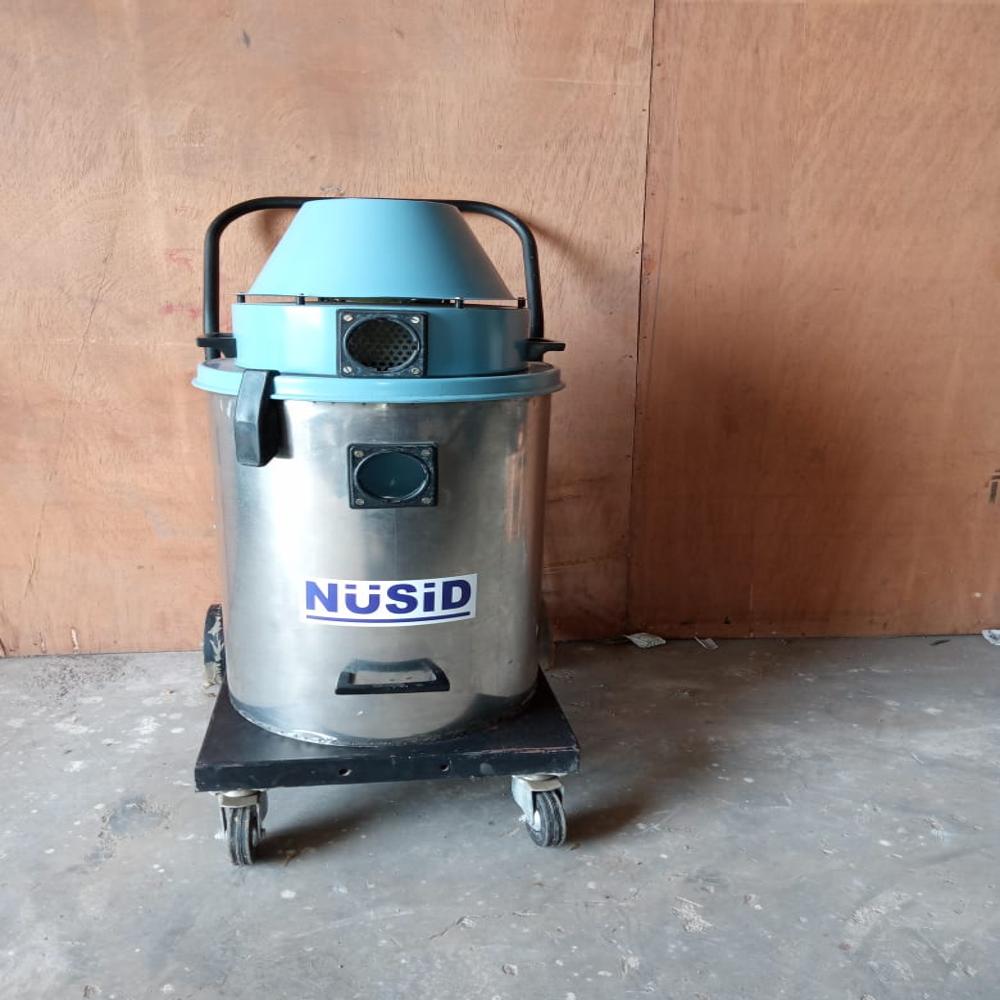
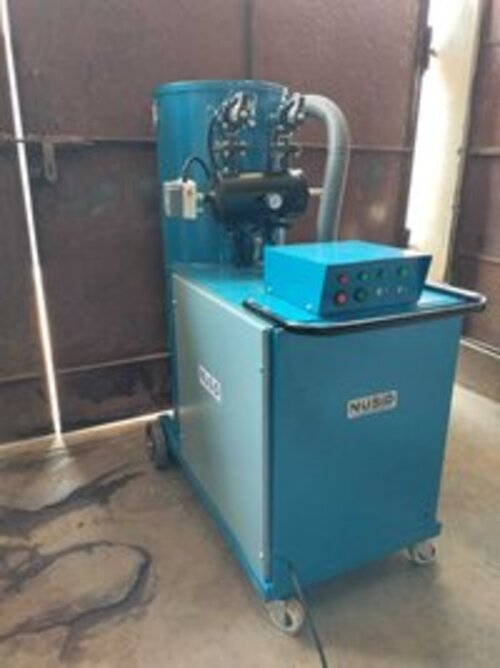
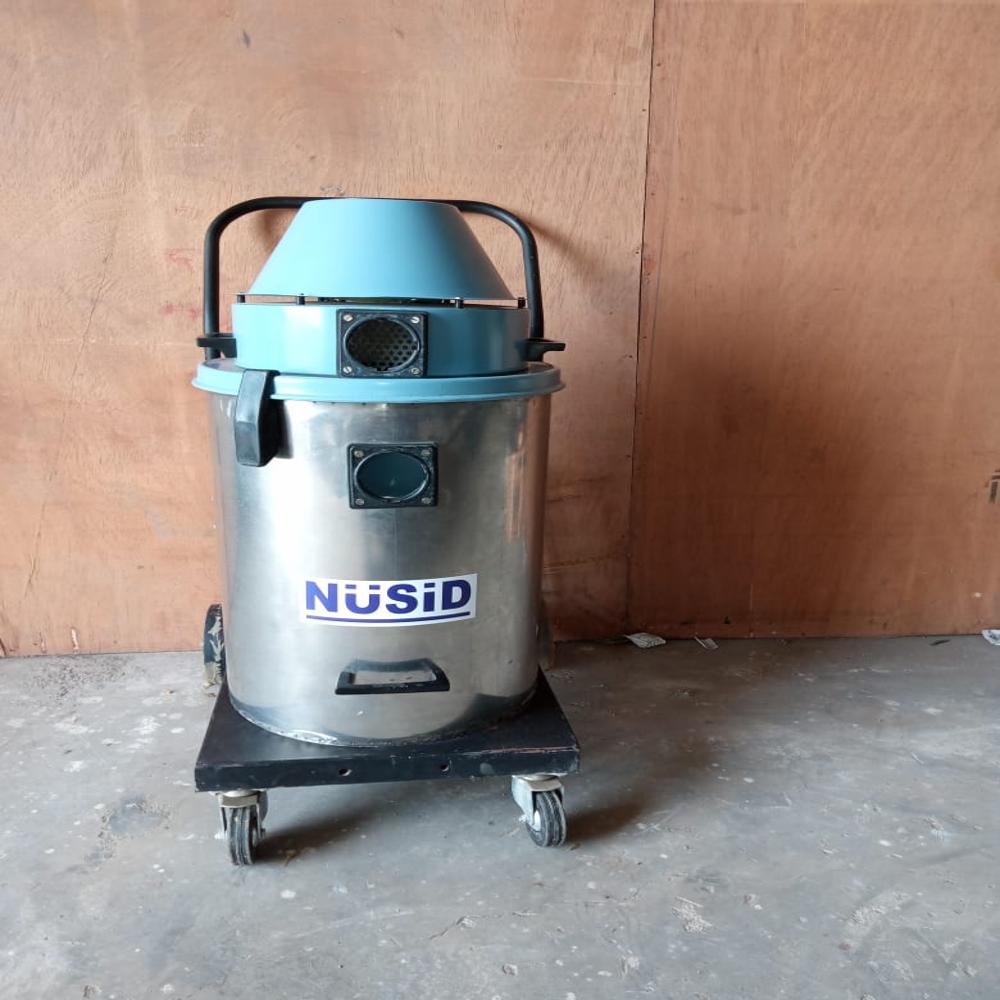
Versatile Mounting and Mobile OperationEasily adaptable to any production layout, this vacuum loader can be securely mounted on existing hoppers, fitted with a floor stand, or installed on a mobile trolley for seamless transfer between workstations. Its stand-alone and floor-mounted designs offer flexibility for both permanent and temporary installations, enabling efficient workflow integration.
Advanced Filtration for Pure ConveyingWith a cyclone plus cartridge filter system and efficient compressed air cleaning (0.5-0.8 MPa), the unit ensures minimal dust emission and effective separation of materials. Regular filter cleaning guarantees sustained high performance and longevity, making it ideal for continuous industrial use involving powders and granules.
Safe, Sturdy, and User-Friendly DesignEngineered with overload protection, full grounding, and an emergency stop function, this vacuum loader prioritizes operator safety. Its mirror or polished surface finish not only ensures hygiene but also simplifies cleaning and maintenance. The stainless or mild steel construction lends durability and resistance to industrial wear and tear.
FAQ's of Vacuum Loader:
Q: How does the vacuum loader manage material transfer for diverse industrial applications?
A: The vacuum loader utilizes high negative suction pressure and customizable hose diameters (38/50/63 mm) to efficiently convey plastic pellets, powders, and raw materials across different industrial settings. Its adaptable mounting options and discharge methods allow for effective use with various receiving and storage systems.
Q: What safety measures are in place while operating this vacuum loader?
A: The unit features comprehensive safety systems, including overload protection, grounding to prevent static buildup, and an emergency stop button. These mechanisms protect both operators and equipment during continuous industrial operation.
Q: Where can this vacuum loader be installed, and what mounting options are available?
A: The loader is designed for versatile installation. It can be mounted on a hopper, set up with a floor stand, or operated on a mobile trolley, allowing flexible deployment across different production areas or workstations within a facility.
Q: When should the filter be cleaned, and what is the filter cleaning process?
A: Filter cleaning is accomplished automatically or manually by pulsing compressed air (0.5 - 0.8 MPa) through the cyclone and cartridge filters. Cleaning intervals depend on material dustiness and usage patterns but are typically managed via the loader's timer control system for optimal performance.
Q: What are the main benefits of using a vacuum loader in an industrial environment?
A: Key benefits include efficient, dust-free material transfer; minimization of manual handling; and adaptability to varying materials and installation scenarios. Its bagless operation, robust safety features, and ease of maintenance result in reduced downtime and increased productivity.
Q: How is the vacuum loader controlled and monitored during use?
A: Operators can choose between automatic or manual timer controls for managing suction and discharge cycles. The system provides real-time feedback, ensuring precise dosing and continuous or batch operation as required.
Q: What capacities and material finishes are available for this vacuum loader?
A: Depending on the model, the loader accommodates capacities between 25 to 100 liters and is constructed from either stainless steel or mild steel. Customers can select a mirror or polished surface finish to match hygiene or aesthetic requirements.




 Send Inquiry



 Send Inquiry

 Send Inquiry
 Send Inquiry
 Send SMS
 Call Me Free