Road Sweeper About
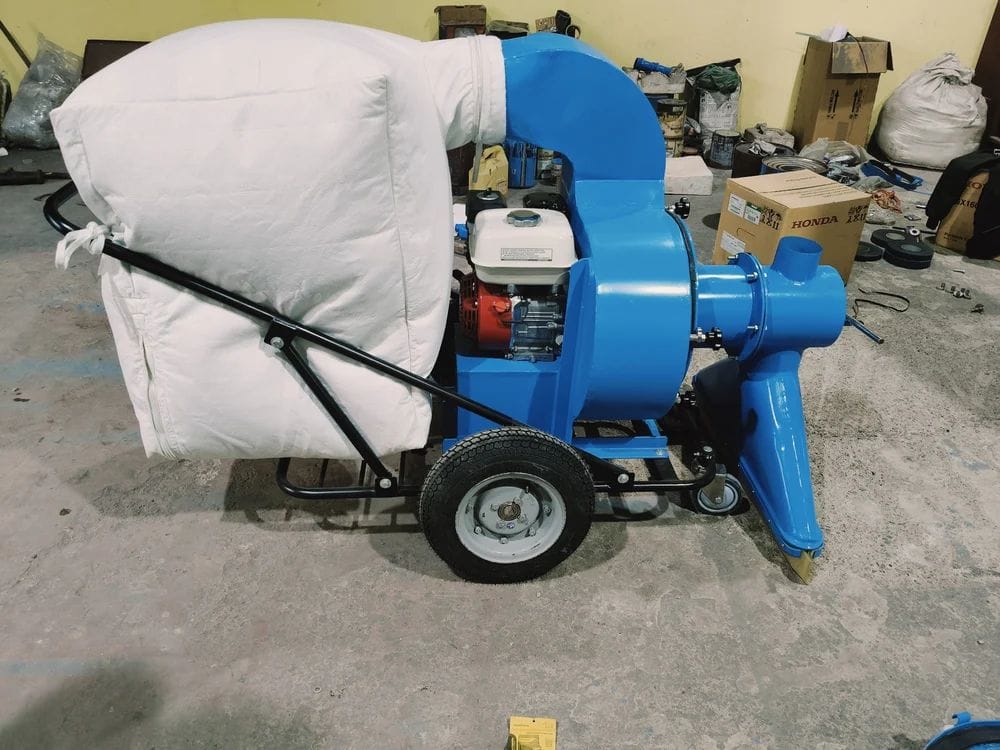
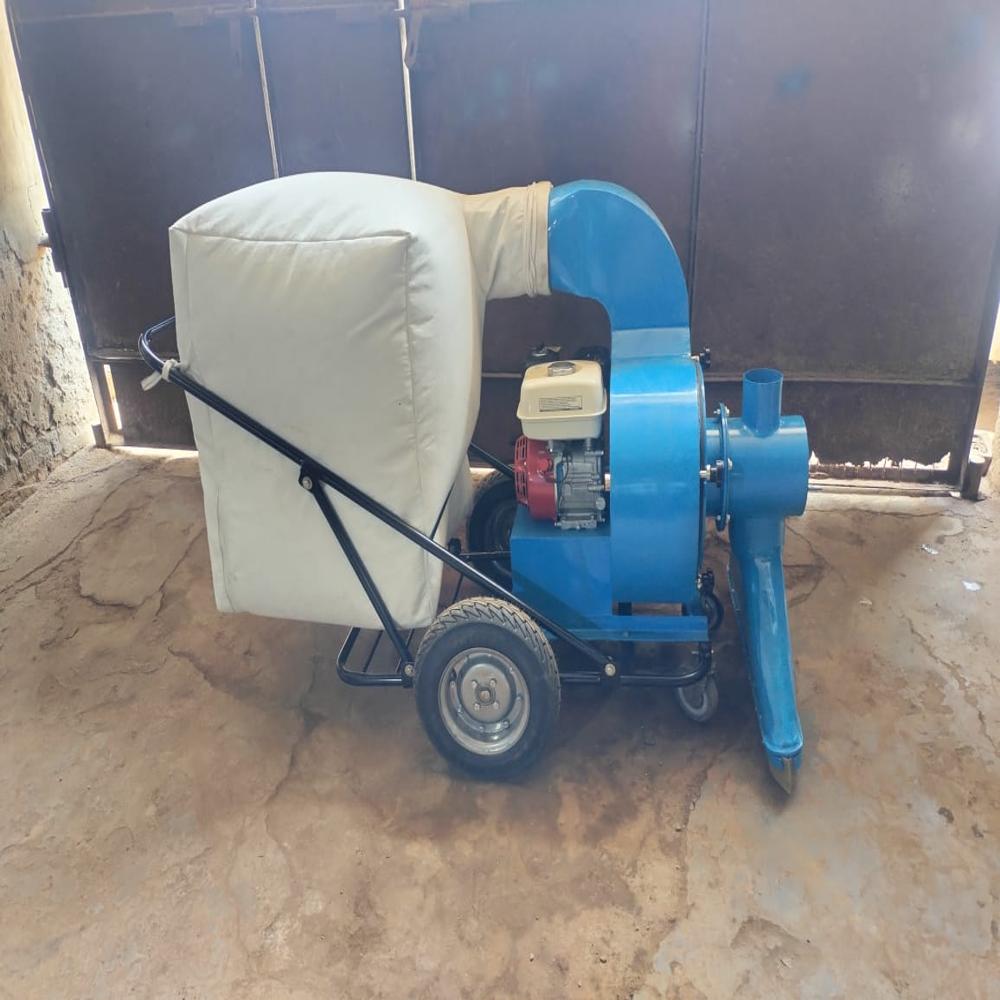
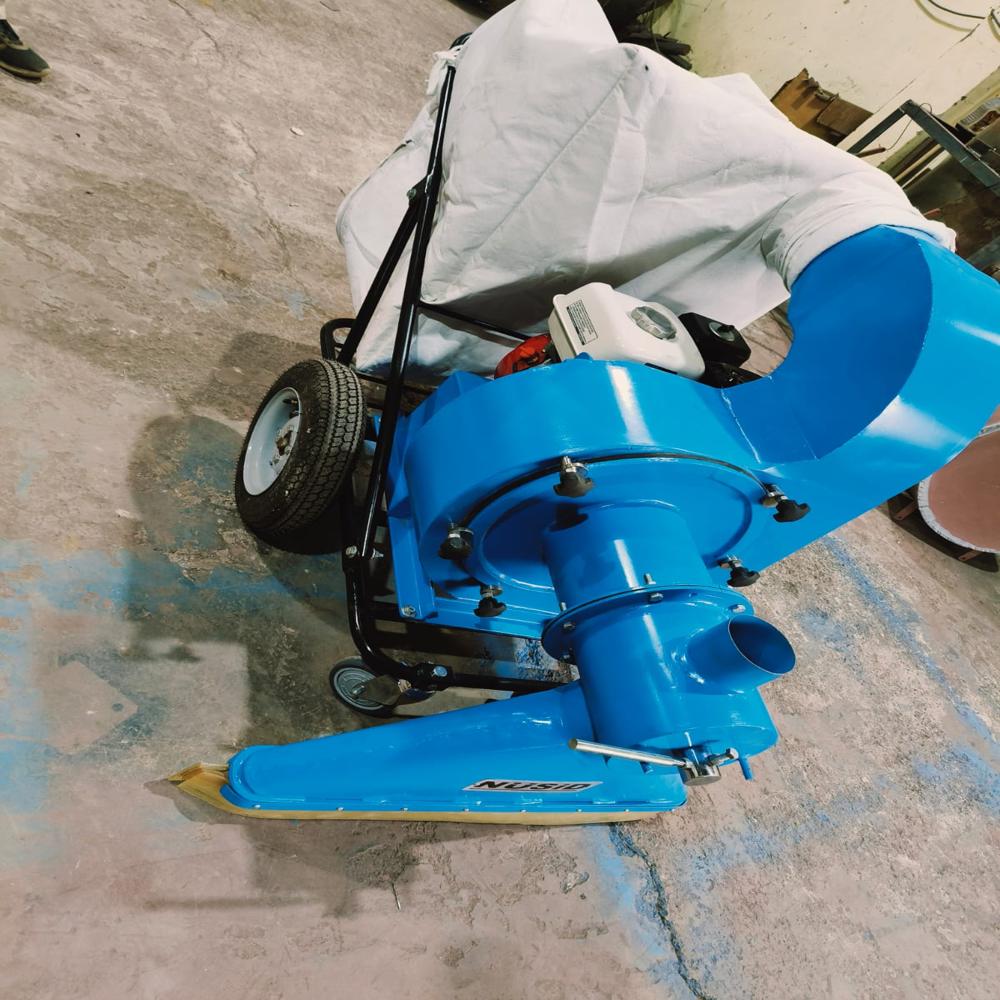
A Road Sweeping Machine is a mechanical cleaning equipment used to remove dust, dirt, leaves, sand, and waste materials from roads, streets, parking areas, and industrial premises. It helps maintain cleanliness, improves road safety, and reduces air pollution caused by loose dust particles.
The machine operates using rotating brushes, vacuum suction systems, and water spraying mechanisms to collect debris efficiently. The collected waste is stored in a hopper or collection tank for easy disposal. Some advanced road sweepers also include high-pressure water systems for deep cleaning of roads and surfaces.
Road sweeping machines are widely used by municipal corporations, highways authorities, airports, factories, warehouses, and large commercial areas. They reduce manual labor, save time, improve hygiene, and provide efficient cleaning for both urban and industrial environments.
Robust Cleaning PerformanceEngineered for thorough road and street cleaning, this sweeper handles up to 3000 m2 per hour. Its efficient brush system with two side brushes and a main polypropylene brush ensures comprehensive debris removal even in challenging urban environments. The 1800 mm sweeping width reduces the number of passes required, saving time and fuel on every job.
Durable & Corrosion-Resistant DesignManufactured from high-quality mild steel and finished in striking yellow, this road sweeper is not only built to last but specifically designed to withstand harsh outdoor conditions. The corrosion-resistant construction and reliable electric motor (3 HP) ensure longevity and consistent performance year after year.
Easy Operation and MaintenanceOperating the sweeper is simple with its manual control system, semi-automatic functionality, and thoughtful layout. The 150 L water tank supports less frequent refilling, while the hopper is easily emptied for fast turnaround. These features lead to minimized downtime and maximized productivity on the job.
FAQ's of Road Sweeper:
Q: How does the road sweeper achieve thorough cleaning on different surfaces?
A: The sweeper uses two side brushes and a main polypropylene brush, allowing it to efficiently collect debris from asphalt, concrete, and paver block surfaces. The wide 1800 mm sweeping path and integrated water tank further enhance its cleaning capability by controlling dust.
Q: What are the key benefits of using this tractor-mounted road sweeper?
A: This road sweeper offers high durability and corrosion resistance due to its mild steel construction. It delivers efficient cleaning at a rate of up to 3000 m2/h, is easy to operate with manual controls, and features a large hopper and water tank for extended use between refills.
Q: When is this sweeper most effectively used?
A: It is especially effective for routine cleaning and maintenance of city streets, parking lots, industrial complexes, and other large paved areas. Its capacity and performance are ideal for scheduled or event-based street cleaning operations.
Q: Where can the machine be operated safely and efficiently?
A: The sweeper is designed for use on paved surfaces such as asphalt roads, concrete pathways, and paver block areas. Its noise level remains below 75 dB, making it suitable for urban settings and neighborhoods during regular working hours.
Q: What is the cleaning process of the road sweeper?
A: The machine's two side brushes sweep debris toward the center, where the main brush collects and lifts it into the 0.8 m3 hopper. Dust suppression is managed by the 150 L water tank, and the operator controls the process manually from the tractor cab.
Q: How easy is it to maintain and operate this sweeper?
A: Designed for straightforward use, the road sweeper has a user-friendly manual control system and a simple, semi-automatic mechanism for essential operations. Cleaning the unit, refilling the water tank, and emptying the hopper are all effortless tasks.
Q: What advantages does the polypropylene brush offer?
A: Polypropylene brushes provide excellent durability and effective debris collection. They resist wear from friction and exposure, making them ideal for regular, heavy-duty cleaning on a wide range of surfaces.




 Send Inquiry



 Send Inquiry

 Send Inquiry
 Send Inquiry
 Send SMS
 Call Me Free