Centralised dust collectors About
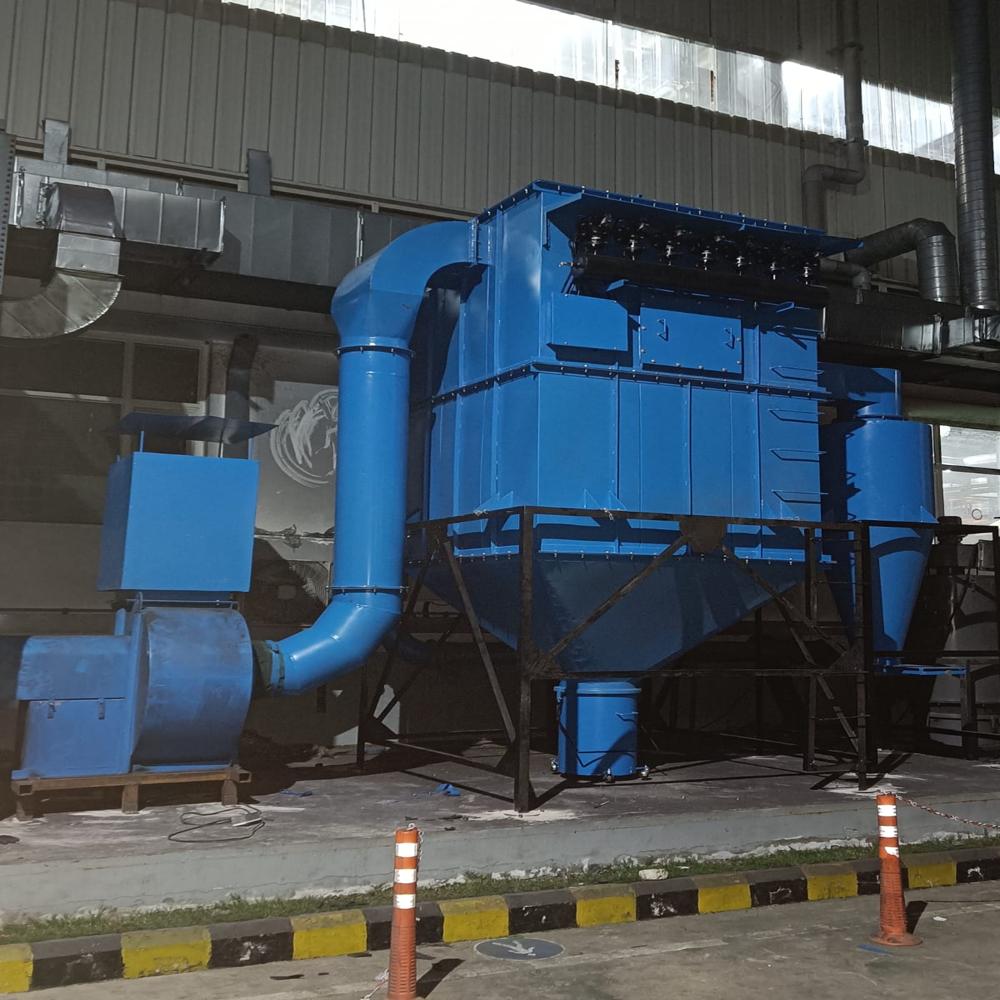
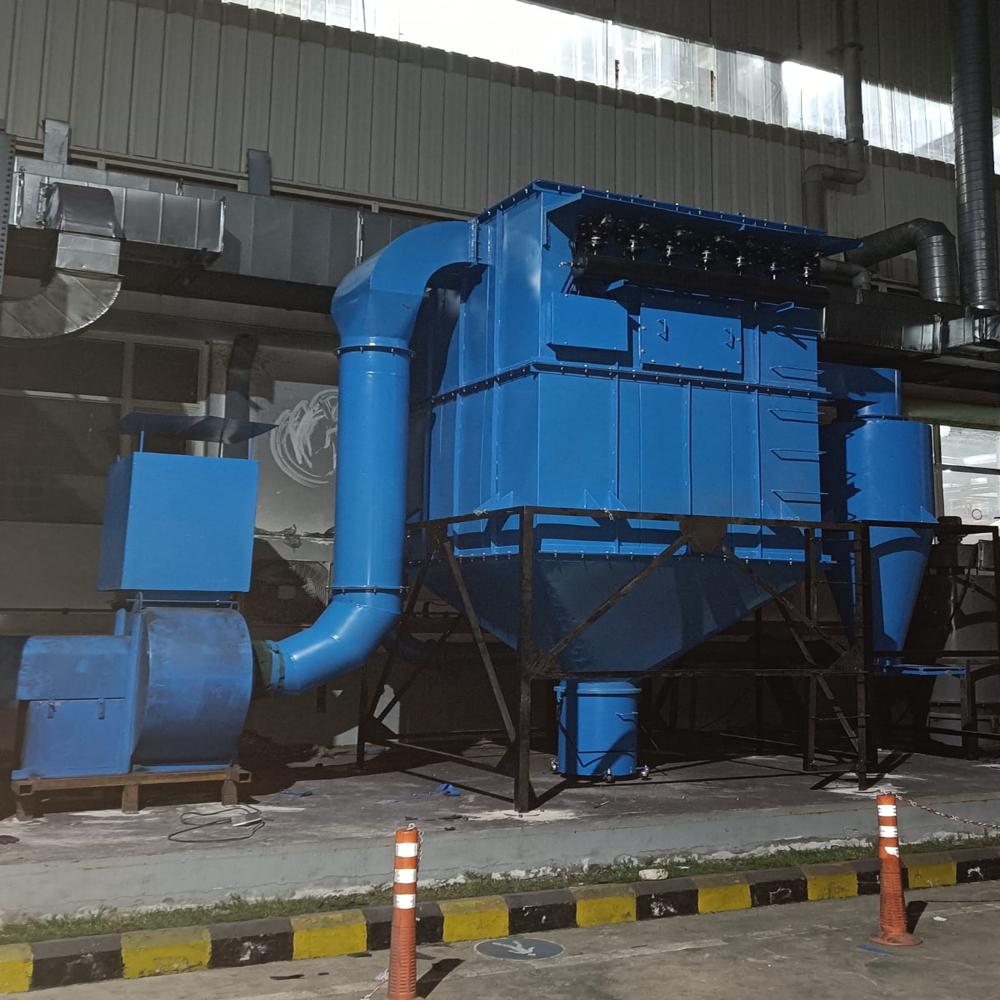
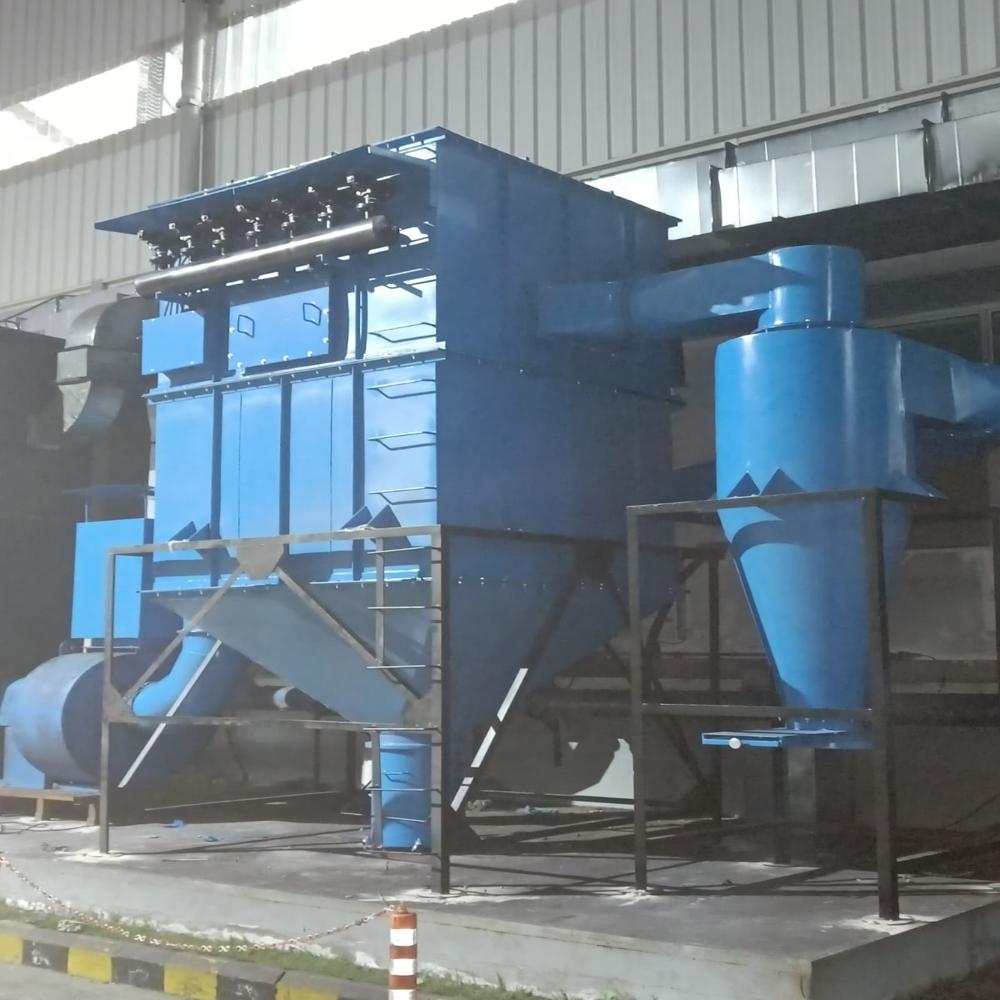
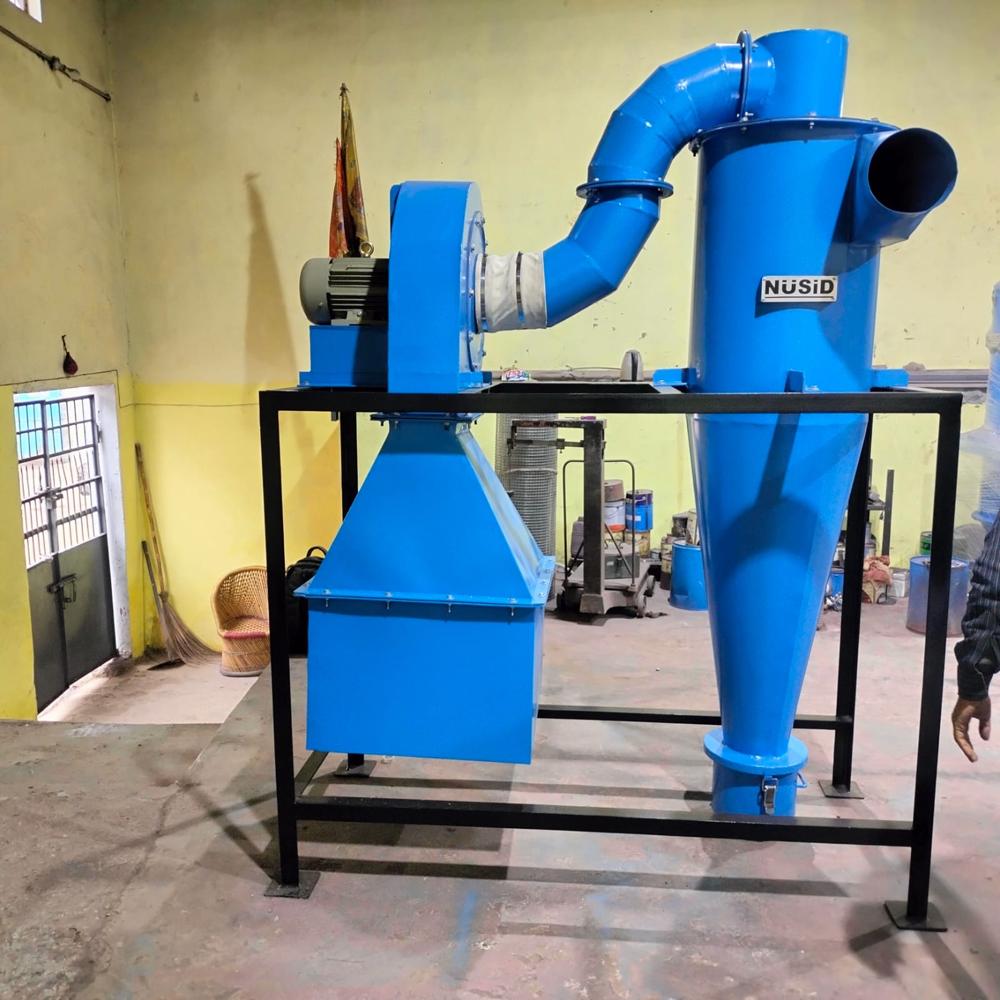
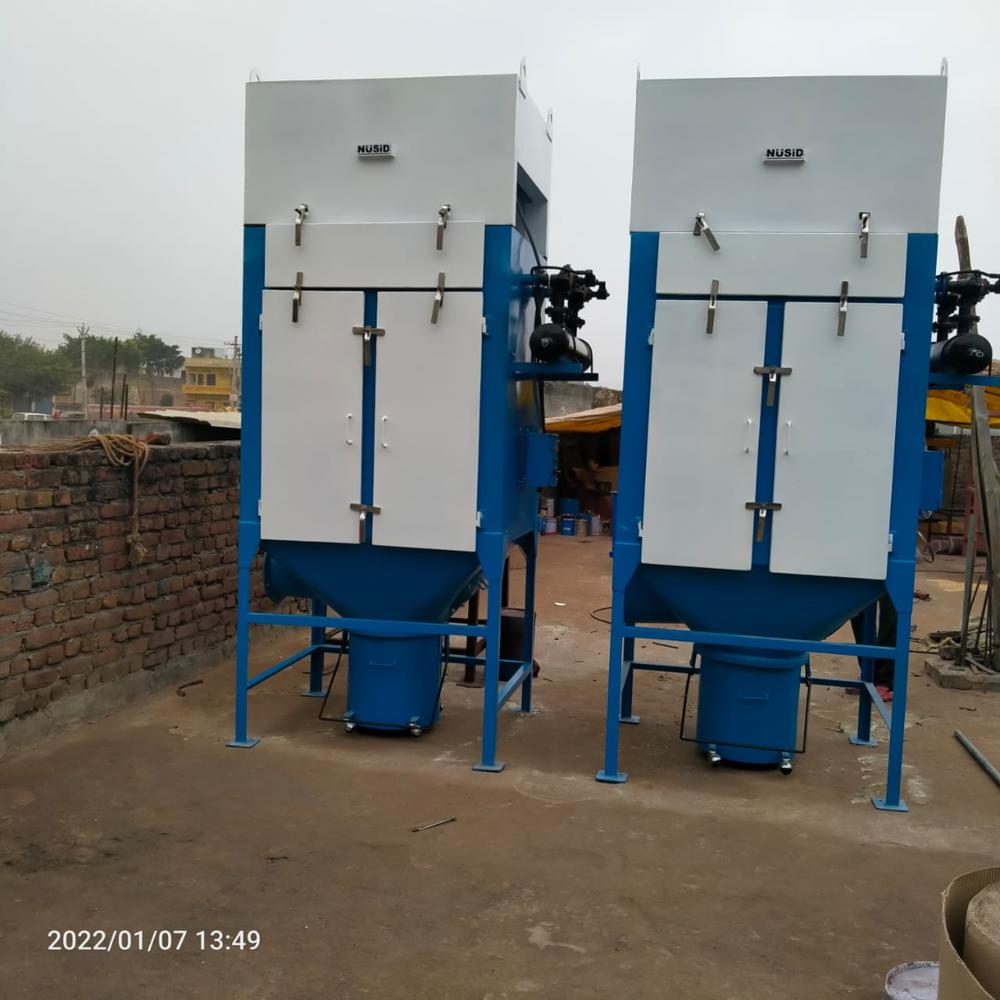
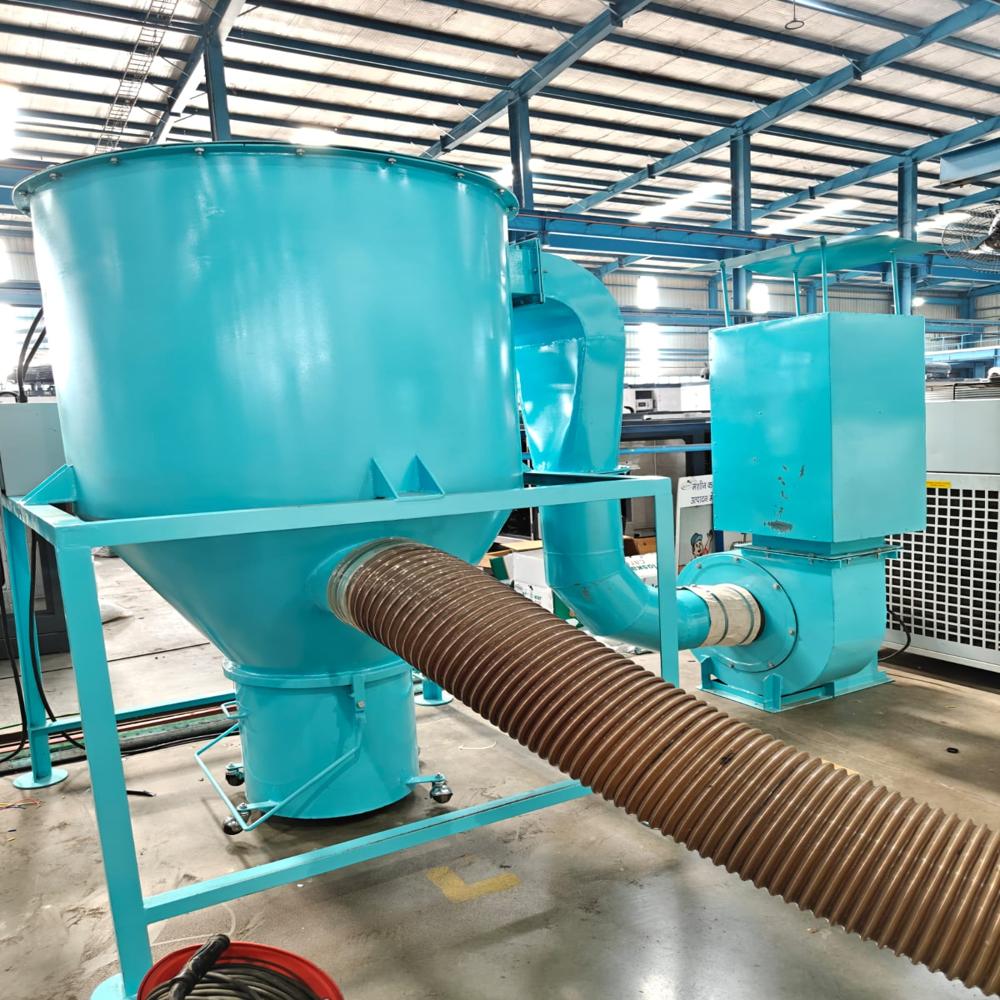
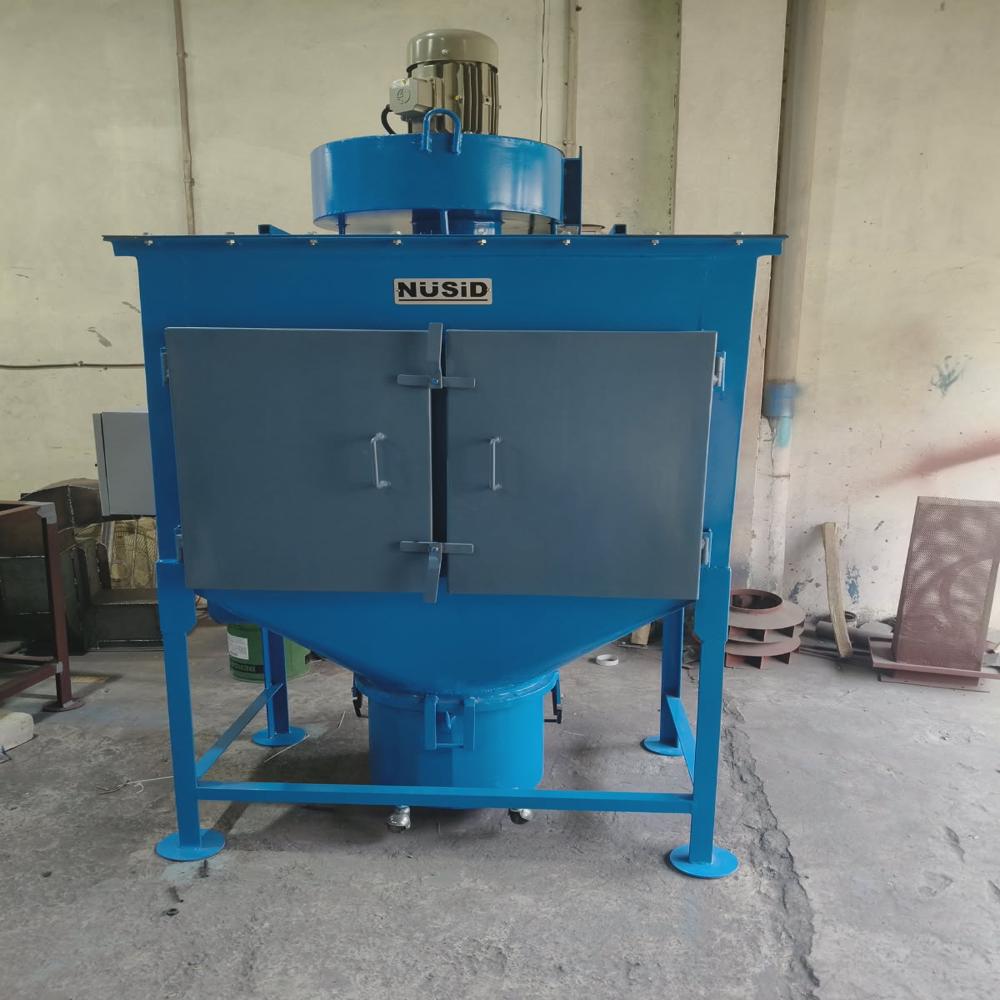
A Centralised Dust Collector is an industrial air pollution control system used to collect dust, smoke, and fine particles from multiple machines or working areas through a single centralized unit. It helps maintain clean air, improves workplace safety, and protects machinery from dust accumulation.
The system mainly consists of ducts, suction hoods, blowers, filter bags/cartridges, and a dust storage hopper. Dust-laden air is sucked through pipelines and passed through filters where dust particles are separated, while clean air is released into the atmosphere.
Centralised dust collectors are widely used in industries such as woodworking, pharmaceuticals, cement, metal processing, food processing, and manufacturing plants. They improve production efficiency, reduce maintenance costs, and help industries comply with environmental and safety standards.
Versatile Filtration SystemChoose between pleated cartridge or bag filters and a selection of premium materials like polyester, Nomex, or PTFE. These options allow the collector to handle diverse dust types and operating conditions, enhancing overall filtration performance and adaptability across industrial sectors.
Advanced Dust Discharge and Cleaning MechanismsEfficient dust management is provided by rotary airlock, screw conveyor, or manual drawer systems. Cleaning is automated via pneumatic pulse jet or handled by a mechanical shaker. These mechanisms ensure the system maintains optimal airflow and filtration efficiency, reducing maintenance intervals.
Customizable and Robust DesignEach dust collector is tailored to site requirements-including dimension, mounting style, airflow rate, and filter area. Built from mild or stainless steel with powder-coated or SS matt finishes, the units withstand aggressive industrial environments while maintaining minimal noise (below 72 dB) and continuous operation.
FAQ's of Centralised dust collectors:
Q: How does the pneumatic pulse jet cleaning mechanism work in these dust collectors?
A: The pneumatic pulse jet system cleans the filters by releasing short bursts of compressed air, which dislodge accumulated dust from the filter surface. This cleaning action is done automatically at set intervals or as determined by the control panel, ensuring continuous high filtration efficiency.
Q: What industries are most suitable for centralized dust collectors with these features?
A: These dust collectors are ideal for industrial settings such as woodworking, cement manufacturing, pharmaceutical production, metalworking, and any application with significant airborne particulate generation. Their adaptability to various dust types and high efficiency make them suitable for centralized dust collection systems.
Q: When should I choose a pleated cartridge filter over a traditional bag filter?
A: Pleated cartridge filters are preferable when finer dust filtration is required or where space is limited, as they offer a larger surface area in a compact design. Bag filters are well-suited for applications involving heavier or more fibrous dust. Selection depends on the particle nature and operational constraints.
Q: What is the benefit of using a rotary airlock or screw conveyor for dust discharge?
A: A rotary airlock or screw conveyor enables continuous and controlled discharge of collected dust, minimizing manual handling and maintaining an air-tight system. This prevents dust re-entrainment, supports automation, and enhances operator safety and facility cleanliness.
Q: How customizable are these dust collectors in terms of size and airflow rate?
A: Dimensions and airflow capacity are highly customizable to meet specific application requirements. The units can handle airflows from 500 up to 100,000 m3/hr, and physical dimensions (L*W*H) are engineered according to the site's spatial layout and operational needs.
Q: What level of filtration efficiency can be expected?
A: These systems achieve up to 99% efficiency for particles larger than 2 microns, ensuring excellent air quality and compliance with workplace safety standards. Enhanced filter materials (PTFE, Nomex) and stratified filtration contribute to this high performance.
Q: Where are the control panels typically located, and what automation options are available?
A: Control panels can be PLC- or relay-based and are generally mounted externally on or near the collector for easy accessibility. Automation grade can be specified as automatic or semi-automatic, offering remote monitoring and differential pressure displays (analog or digital) for system management.




 Send Inquiry



 Send Inquiry

 Send Inquiry
 Send Inquiry
 Send SMS
 Call Me Free